

The 4 Point Score
Score any property out of four before you buy it
Cash flow, growth, below market value and the X factor. A property that scores three or four on the 4 Point Score is what hedges against the part you cannot control.
29 pages, eight real deals scored, every threshold published.

Where the 4 Point Score came from
For ten years I've been working on one question: how do you actually make money in property without it becoming a second job, or bleeding your cash flow just to hold it. The 4 Point Score is what I landed on.
Dan Beardall, Founder, Bothsides Buyers Agency
100+
investors and property professionals interviewed on the Bothsides Podcast
10+ years
investing and working in property
Tens of thousands
of deals assessed over the last six years
How the score works
Every property is marked against four points, one mark each, before an offer is made. Points 1 and 2 depend on the tenant and the suburb. Points 3 and 4 are yours to create, in the negotiation and in what the block allows.
Passive
Points 1 & 2
The market and the tenant do the work
You pick correctly at the start, then wait.
- 1Cash FlowRent above 5% of the price paid
- 2Location growth rate7.5%+ a year, averaged over ten years
Active
Points 3 & 4
You create the outcome
Won in the negotiation, or written into the title.
- 3Negotiated Below Market ValueInstant equity the day it settles
- 4X FactorEquity you create rather than wait for
How we score it
- 1/4AverageSingle lever, fully exposed if it turns.
- 2/4OkayStill dependent on the market cooperating.
- 3/4GreatMultiple levers compounding together.
- 4/4EliteBuilt to win with or without the market.
Tick two, you're average. Tick four, you're elite. Most investors never get past two.
Four client purchases
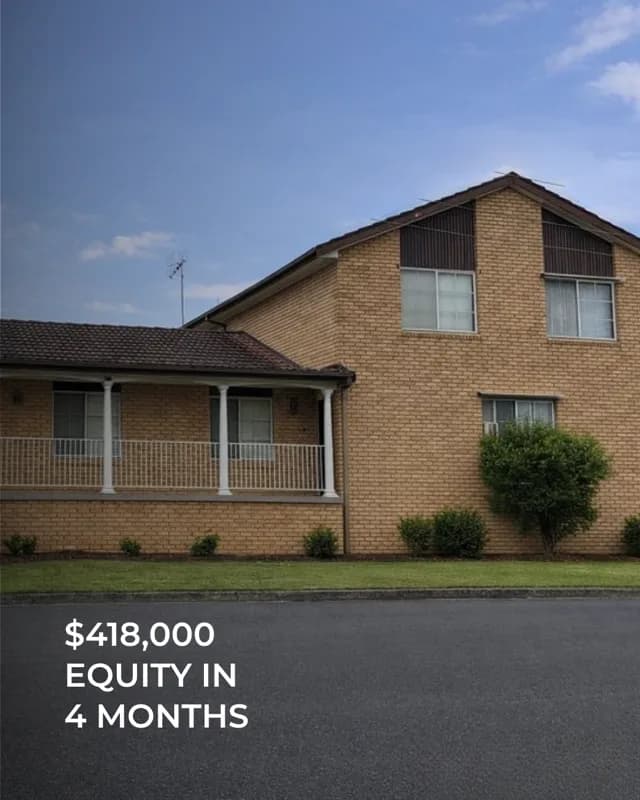
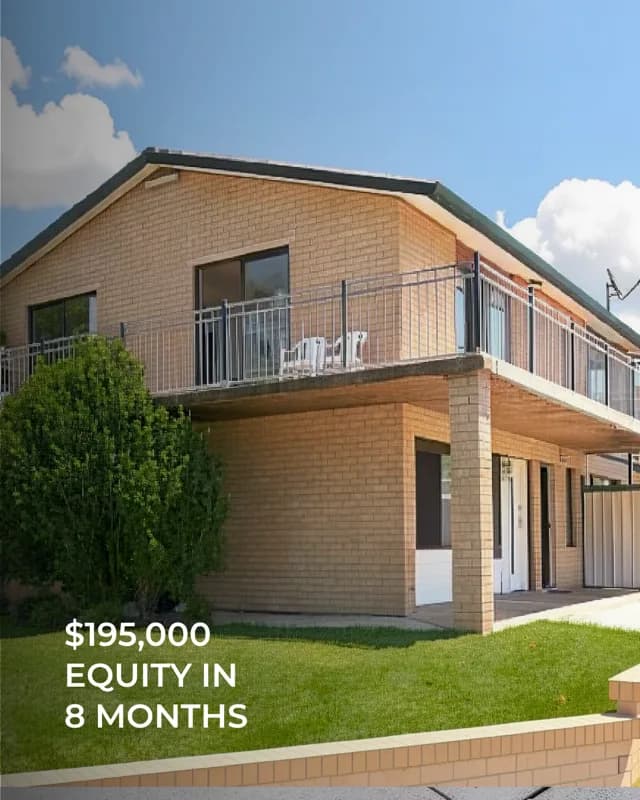
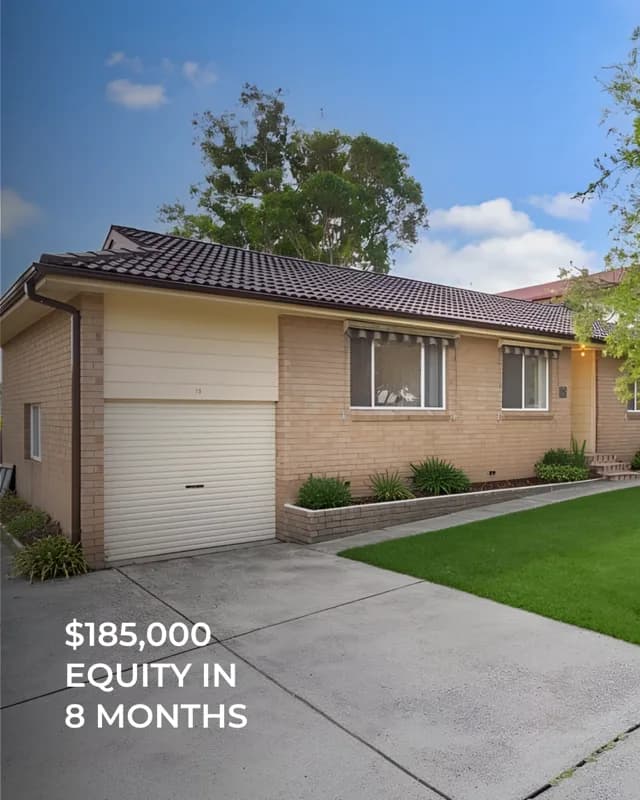
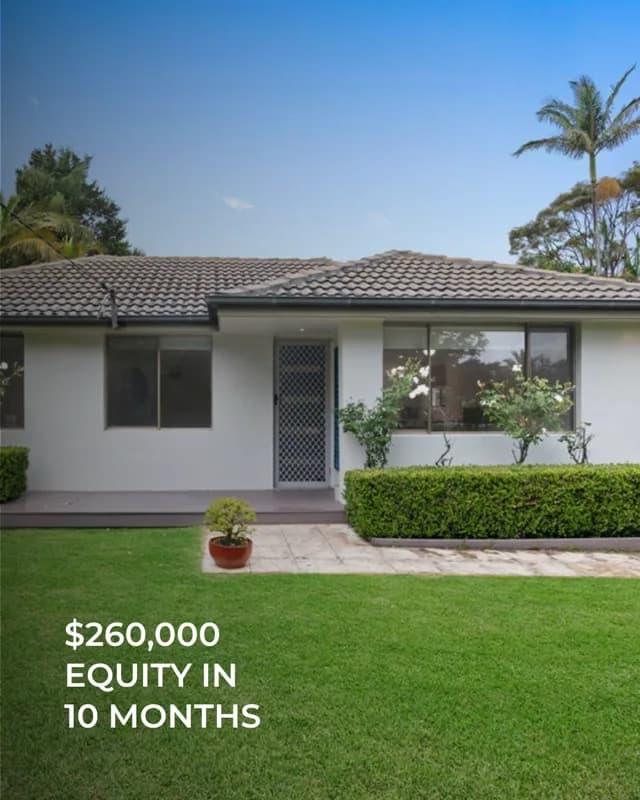
All four were bought against the 4 Point Score. See the number breakdown.
Who owns it
Who owns the property decides how many you can buy
A bank lends you only so much in total. What decides whether you can buy again is whose limit the loan counts against.
Bought in your own name
The bank stops you at two or three
Every loan sits on your personal limit, even when the rent covers the repayments. Once the limit is full, the next purchase is declined.
Bought in a company or trust
There is room to buy again
While the entity trades profitably, some lenders leave its loans off your personal limit, so your own borrowing capacity stays open.
The same four purchases either way. What changes is whose limit the loans land on, and how much of yours is left.
Setup runs a couple of thousand dollars, then a tax return and ASIC fees each year, and it earns that back at the second purchase. Decide it before the first one: moving a property into a company later means selling it. The 4 Point Score guide covers it in full.
General information only. Lender policy varies and changes without notice. Bothsides is not a mortgage broker or credit provider and none of this is credit assistance. Always take advice from a qualified accountant, lawyer and mortgage broker.
The free 4 Point Score guide
Score the property you own, or the one you are about to buy
29 pages, free, by email. Eight real deals scored, two of them deals the team did not buy.
Get the free 4 Point Score guide
Weighing one up, or wondering what the one you own scores? The guide walks you through it, or the team will score it with you.
The guide arrives first, then occasional property insights. Unsubscribe any time. Read the privacy policy.
Or see what Bothsides has bought using it.

Start here
Want the four points applied to your next purchase?
Ready to talk
Book an intro call
15 minutes, free. What the next purchase needs to do, and whether Bothsides is the right fit.
Book an intro callKnow what you want? Book the 45 minute strategy session